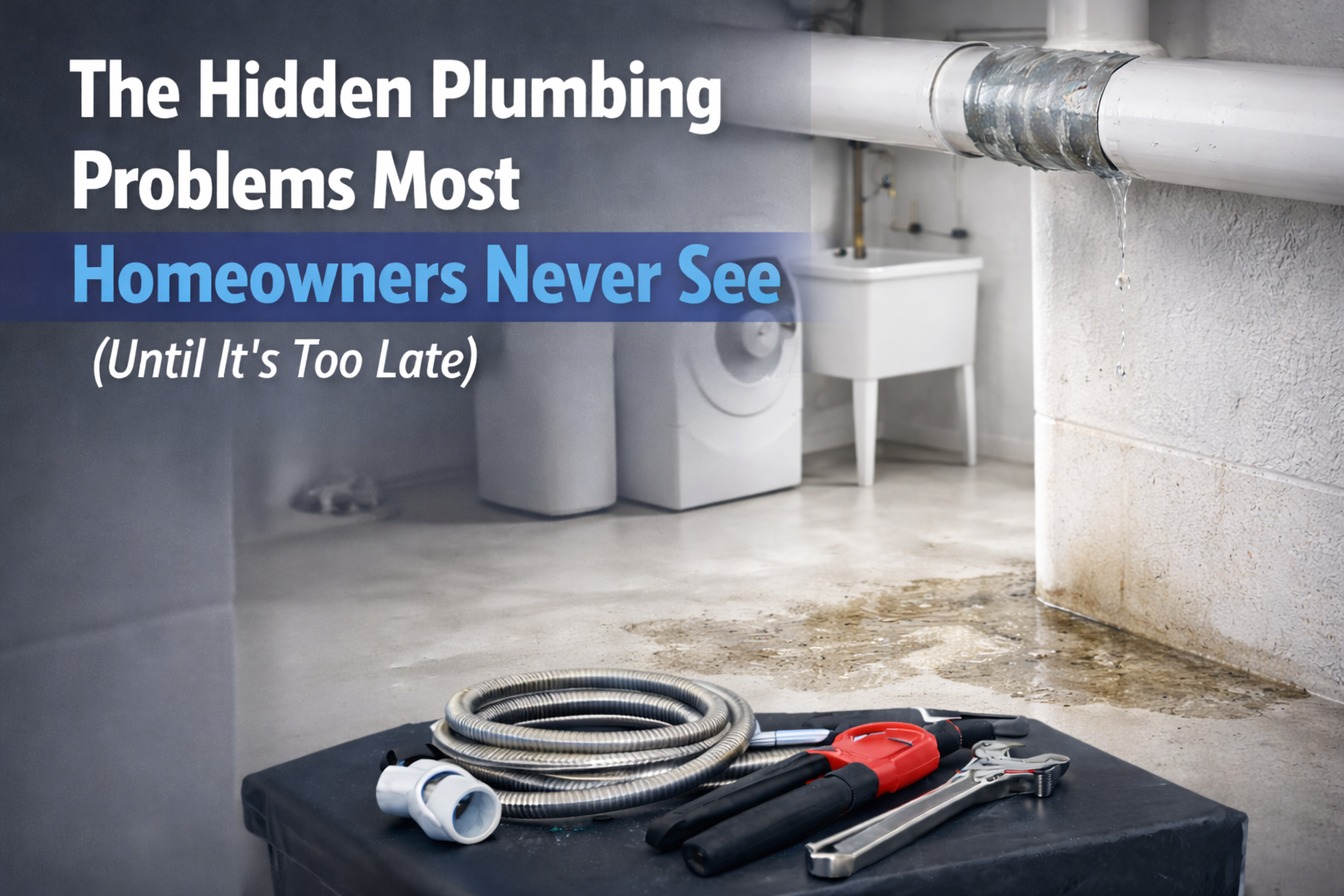
The Hidden Plumbing Problems Most Homeowners Never See (Until It’s Too Late)
Most homeowners in Cincinnati only notice plumbing issues when there’s visible water damage, flooding, or a complete system failure. The truth is, many serious plumbing problems start silently behind walls, under floors, or inside basements long before they become emergencies. Ignoring these hidden issues can lead to expensive repairs, mold growth, and structural damage.
If you’re searching for a trusted residential plumber in Cincinnati or wondering how to prevent unexpected plumbing repairs, understanding these hidden risks can protect your home and your budget.
Why Hidden Plumbing Problems in Cincinnati Homes Are So Dangerous
Cincinnati homes experience seasonal temperature swings, heavy rain, and freezing winters that place stress on pipes and drainage systems. Small, unnoticed plumbing issues can quickly worsen due to:
Pipe expansion and contraction in cold weather
Aging plumbing systems in older Cincinnati homes
High water pressure
Hidden moisture buildup behind walls
Routine plumbing inspections and preventative maintenance help identify these risks before they cause costly damage.
The Most Common Hidden Plumbing Problems
Slow Pipe Leaks Behind Walls
Small leaks inside walls often go unnoticed for months. Over time, they can weaken drywall, cause mold growth, and damage insulation.
Corroded or Aging Pipes
Older metal pipes may corrode internally before showing visible signs. Corrosion can lead to pinhole leaks and reduced water pressure.
Hidden Drain Line Blockages
Partial clogs in main sewer lines may not cause immediate backups but can slowly restrict flow and increase the risk of a major sewer backup.
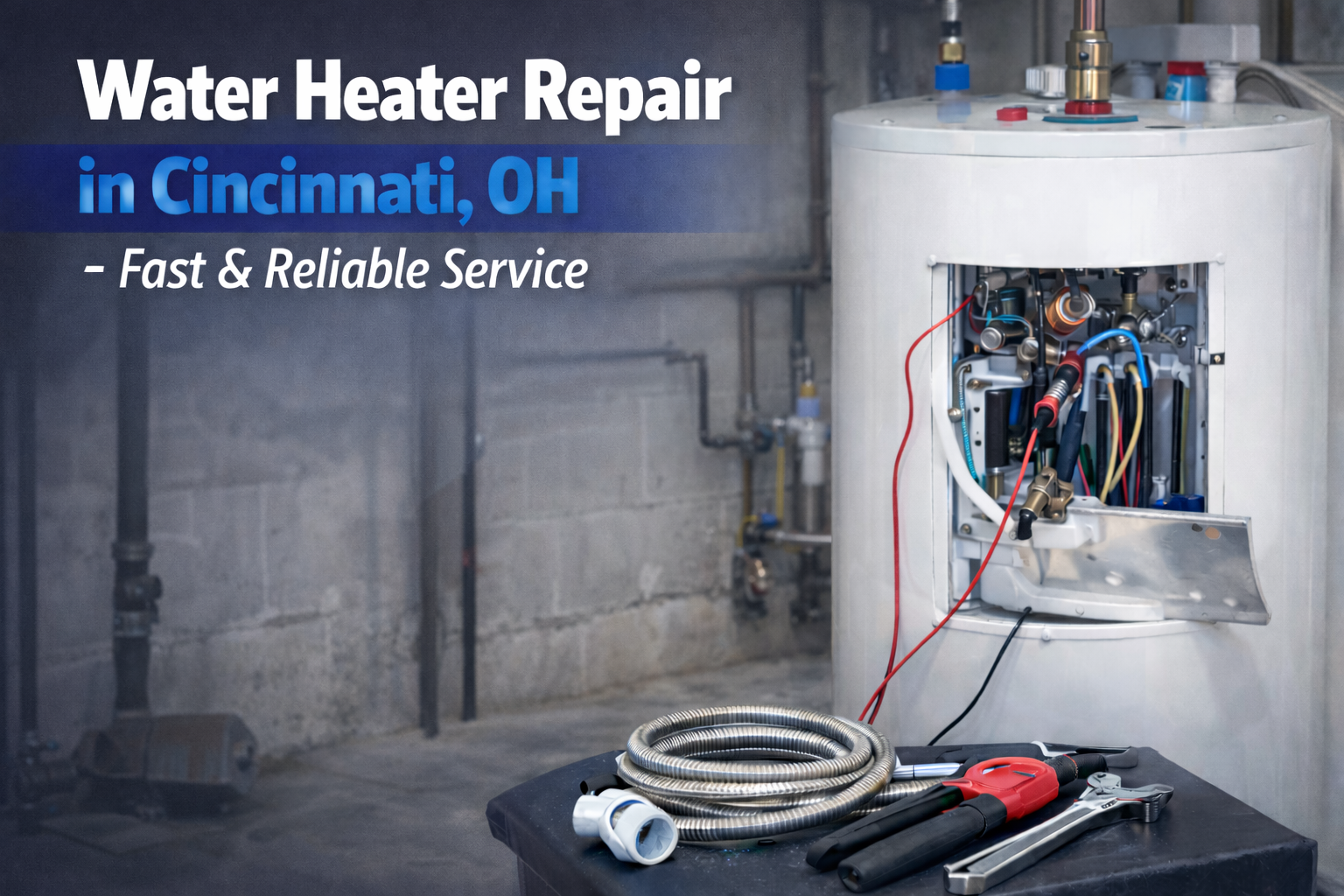
Failing Water Heater Components
Sediment buildup and worn internal parts can reduce efficiency and lead to sudden water heater failure.
Basement Moisture from Pipe Joints
Minor drips in basements or utility rooms often go unnoticed until staining, pooling water, or foundation damage appears.
Signs You Might Have a Hidden Plumbing Issue
Even when leaks aren’t visible, your home may show warning signs:
- Unexpected increase in water bills
- Musty odors
- Water stains on ceilings or walls
- Reduced water pressure
- Unusual sounds in pipes
- Damp basement floors
If you notice any of these signs, a professional plumbing inspection can prevent larger repairs.
24-Hour Emergency Plumbing Services in Cincinnati
Hidden plumbing problems can quickly turn into urgent situations. Whether it’s a burst pipe, sewer backup, or sudden water heater leak, fast response is critical to minimize damage.
Our Cincinnati emergency plumbing team provides 24-hour service to address urgent plumbing repairs and protect your home from costly restoration work.
Safe Plumbing proudly serves homeowners in Cincinnati, West Chester, Liberty Township, Mason, and throughout Butler County. Our licensed and insured team provides professional residential plumbing services, preventative inspections, and emergency repairs with honest pricing and fast response times.
Contact us today for a plumbing inspection and protect your home before small problems become major repairs.